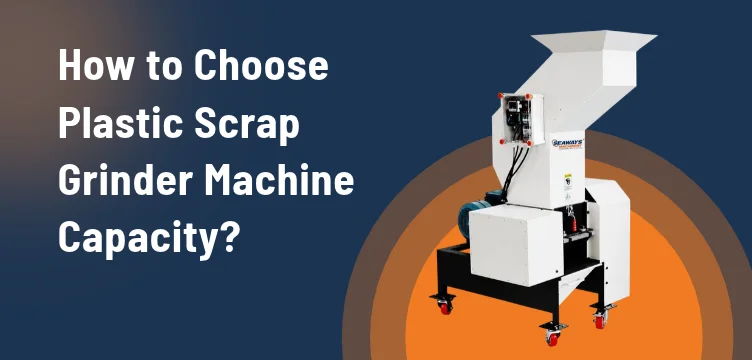
Selecting the appropriate grinder is crucial for achieving optimal results in any workshop. The debate between low-speed grinder machine and high-speed grinders is longstanding, with each offering distinct advantages. Understanding their differences can help you make an informed decision tailored to your specific requirements.
Understanding Grinder Speeds
Grinders are primarily categorized based on their rotational speeds:
- High-Speed Grinders: Operate at elevated rotations per minute (RPM), designed for rapid material removal.
- Low-Speed Grinders: Function at reduced RPMs, emphasizing precision and control.
Applications and Suitability
- High-Speed Grinders: Ideal for tasks requiring swift material removal, such as shaping or sharpening tools. However, their rapid operation can generate significant heat, potentially affecting heat-sensitive materials.
- Low-Speed Grinders: Suited for precision tasks where control is paramount, like sharpening blades or handling delicate materials. Their slower operation minimizes heat buildup, reducing the risk of material damage.
Heat Generation Considerations
High-speed grinders tend to produce more heat due to their faster rotations, which can be detrimental to certain materials. In contrast, low-speed grinders generate less heat, preserving the integrity of heat-sensitive workpieces.
Precision and Control
The rapid operation of high-speed grinders can make precision work challenging. Low-speed grinders, on the other hand, offer enhanced control, making them preferable for detailed and intricate tasks.
Energy Consumption and Noise Levels
Low-speed grinders often consume less energy and operate more quietly compared to their high-speed counterparts. For instance, the OneCut Pro granulator allows users to adjust rotor speeds, resulting in significant energy savings and reduced noise levels.
Material Compatibility
When dealing with materials prone to contamination or requiring meticulous handling, low-speed granulators are advantageous. They effectively process challenging materials, ensuring consistent quality.
Conclusion
Choosing between a low-speed grinder machine and a high-speed grinder depends on your workshop’s specific needs. For tasks demanding precision, control, and minimal heat generation, low-speed grinders are preferable. Conversely, if rapid material removal is the priority, high-speed grinders may be more suitable. Assess your requirements carefully to select the grinder that aligns best with your operational goals.