Setting up a plastic recycling plant isn’t just buying machinery and switching it on. The decisions made before you spend a rupee what plastic to recycle, where to locate, what capacity to target, what end-product to sell determine whether the business is profitable or struggles for years.
This guide walks through the entire process: market choice, plant types, equipment, layout, capex/opex, licensing, and payback. Specific to Indian conditions. Specific to where the market actually is in 2026.
Quick Answer For The Hurry
A small plastic recycling plant (50-100 kg/hr) needs ₹20-35 lakh total investment, including equipment, shed, and working capital. Core equipment is a grinder, washing tank, dryer and pelletiser. Payback in well-run operations is typically 24-36 months. PET recycling has the strongest market pull right now; mixed-plastic recycling is more variable. Location matters locate near scrap sources or near recycled-plastic buyers (rarely both).
Step 1: Choose Your Market What Plastic Will You Recycle?
The single biggest decision is which plastic type you’ll focus on. Each has different economics, different equipment needs, different output markets:
PET Bottles (rPET production)
Strongest demand pull. PET flakes and rPET pellets are bought by bottle preform manufacturers, polyester staple fibre producers, and packaging users. Margins are stable. Output quality requirements are high (food-grade rPET needs additional decontamination). Capex requirement is moderate-to-high because you need washing systems and ideally a crystalliser. Recommended for serious operators with ₹40+ lakh budget.
PE Film Recycling (LDPE, HDPE film)
High volume, lower margin per kg, very location-dependent. You’ll source scrap from waste pickers and industrial sources, mostly contaminated. Output is granules sold back to film manufacturers, woven sack makers, or pipe extrusion. Requires good washing system because film scrap is dirty. Good business if you have steady scrap supply.
HDPE / PP Rigid Recycling
Lower contamination than film, easier to process. Sourced from industrial scrap (rejected parts), discarded buckets, crates, automotive interiors. Output sold to compounders or direct injection molders. Steady but unspectacular margins. Good entry-level recycling business.
Mixed Plastic Recycling
Most challenging. Lower-grade output, narrower buyer pool, more difficult sorting. Often sold as “down-cycled” products like park benches or paver blocks. Choose only if you have a specific end-customer locked in.
Engineering Plastics (ABS, PC, PA)
Highest margins per kg. Lower volume. Sourced from electronics waste, auto component scrap, industrial reject. Output sold to compounders at premium prices. Niche but lucrative. Needs careful sorting infrastructure.
For first-time recyclers, our recommendation: start with one polymer type. Don’t try to recycle “everything.” A focused operation on PET, or HDPE film, or PP rigid will outperform a generalist recycler nearly every time.
Step 2: Choose Plant Capacity
Capacity decision drives everything equipment cost, electrical load, shed size, working capital, staffing. Three typical tiers in India:
Small Plant: 50-100 kg/hr (400-800 kg/shift)
- Suitable for owner-operator, semi-urban setup
- Total investment: ₹20-35 lakh
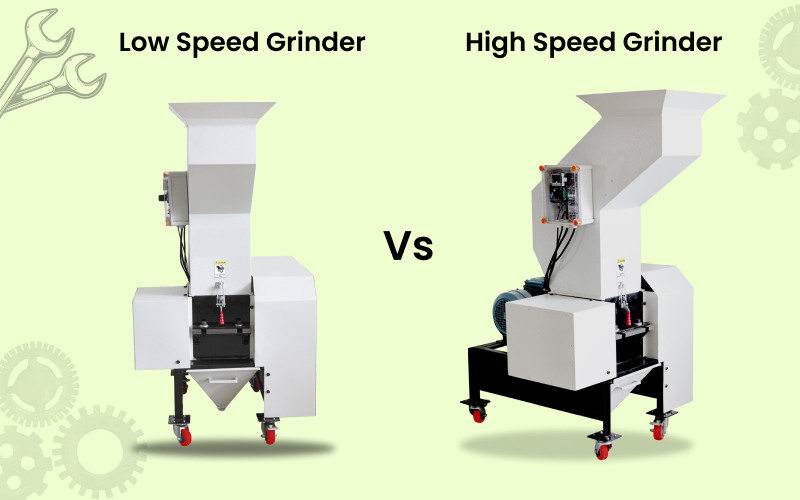
- Equipment: 15-20 HP grinder, small washing line, 100-200 kg hopper dryer, 50-100 kg/hr pelletiser
- Manpower: 4-6 workers
- Output target: 300-500 tonnes/year
Mid-Size Plant: 200-500 kg/hr (1600-4000 kg/shift)
- Suitable for established processors expanding into recycling, or serious business plans
- Total investment: ₹85 lakh to ₹1.3 crore
- Equipment: 30-50 HP grinder, full washing system with float/sink tanks, 500 kg hopper dryer, 200-500 kg/hr pelletiser
- Manpower: 12-18 workers across shifts
- Output target: 1500-3500 tonnes/year
Large Industrial Plant: 1000+ kg/hr (8000+ kg/shift)
- Suitable for serious industrial recyclers with locked scrap supply
- Total investment: ₹2.5-5 crore (depending on PET vs PE)
- Equipment: 100+ HP grinder, complete hot-wash line (for PET), 1000+ kg dryer, 1000+ kg/hr pelletiser, optional crystalliser
- Manpower: 25-40 workers
- Output target: 7000-12000 tonnes/year
Step 3: Choose Location Strategically
Two valid strategies for plant location, each with tradeoffs:
Near scrap source. Locate close to large waste-generating zones (urban centres, industrial belts producing scrap). Lower inward freight, easier supplier relationships, less working capital tied up in transit inventory. Examples: Bawana for Delhi waste, Loni for UP waste, Bhiwandi for Mumbai waste, Indore for MP scrap. Disadvantage: you’re shipping output far to buyers.
Near output buyers. Locate close to plastic processors who’ll buy your recycled granules. Lower outward freight, faster receivables, easier quality coordination with customers. Examples: industrial belts of Gujarat, Maharashtra, Tamil Nadu. Disadvantage: scrap procurement becomes more expensive and logistically complex.
Pick whichever has the stronger pull for your specific business. Don’t try to “balance” both that usually means you have neither advantage.
Other location factors: power availability (recycling is energy-intensive 100-300 kW continuous load is common); water availability (washing operations need significant water); zoning compliance (some areas don’t allow recycling operations); proximity to good roads for in/out logistics.
Step 4: Equipment List What You’ll Actually Need
Core equipment for a typical plastic recycling plant:
| Equipment | Purpose | Approx Cost (Small Plant) |
|---|---|---|
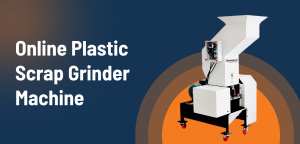
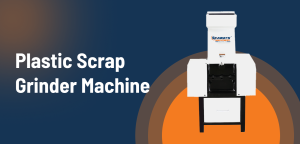
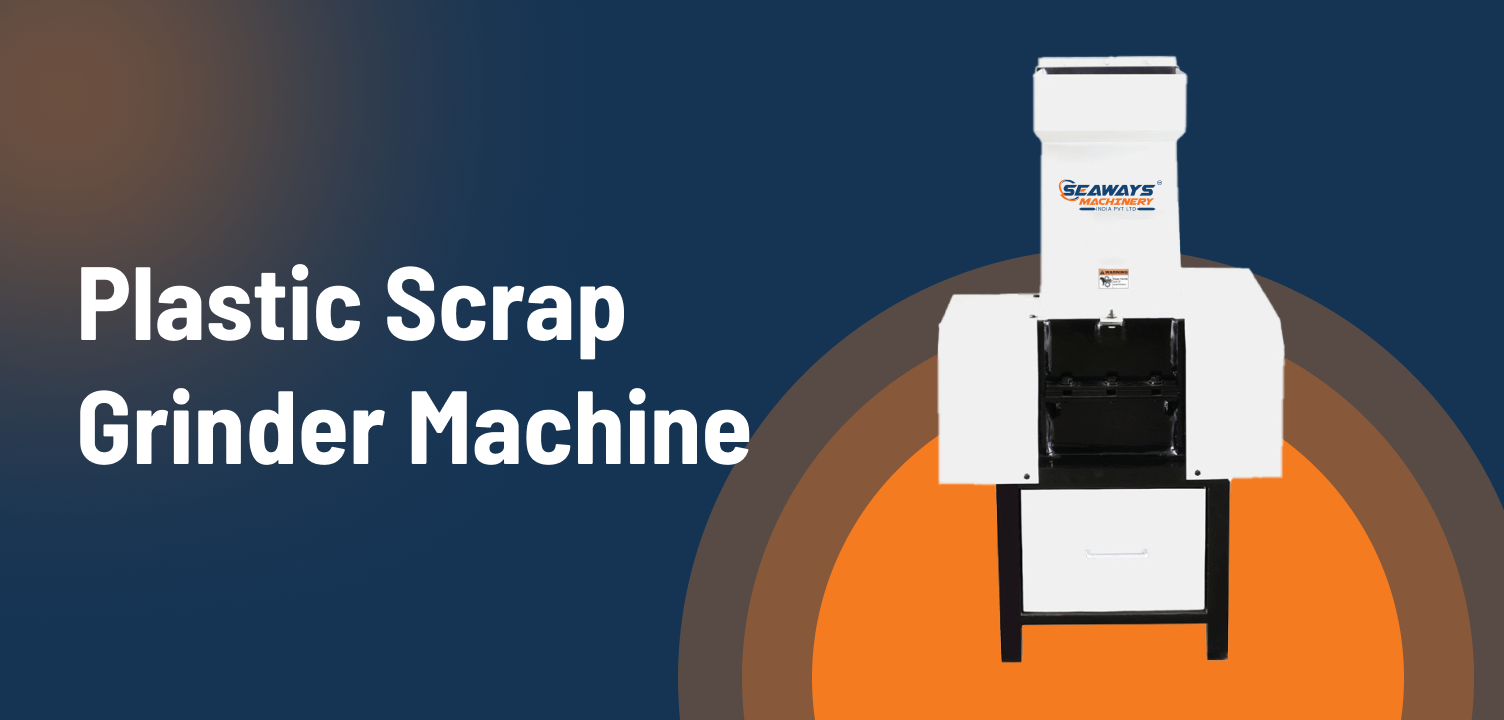
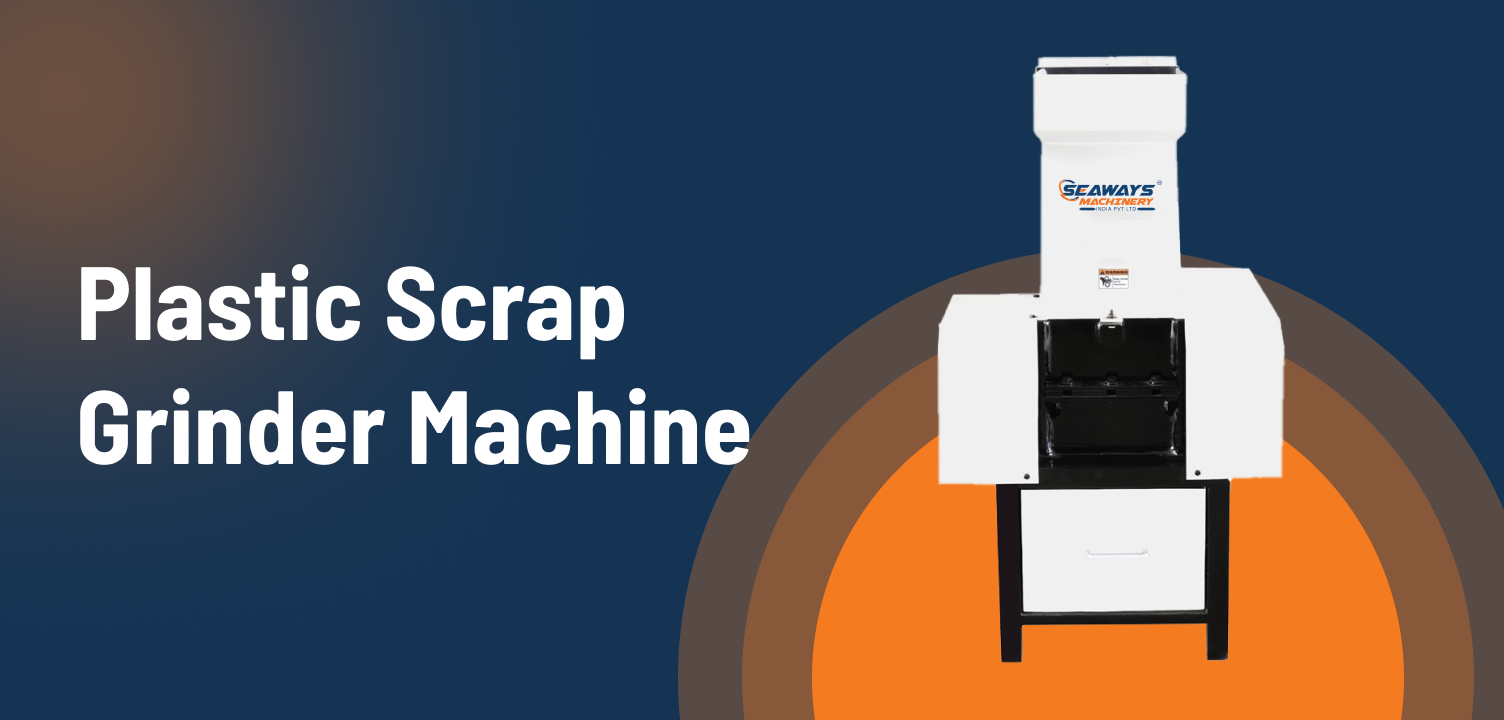
| Plastic Scrap Grinder | Size-reduces waste plastic into uniform regrind (5-10 mm) | ₹2-5 lakh |
| Washing Tank / Float-Sink Tank | Removes contamination, separates plastic types by density | ₹1.5-3 lakh |
| Friction Washer (optional) | High-friction cleaning of contaminated film | ₹2-4 lakh |
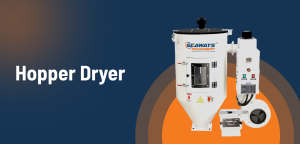
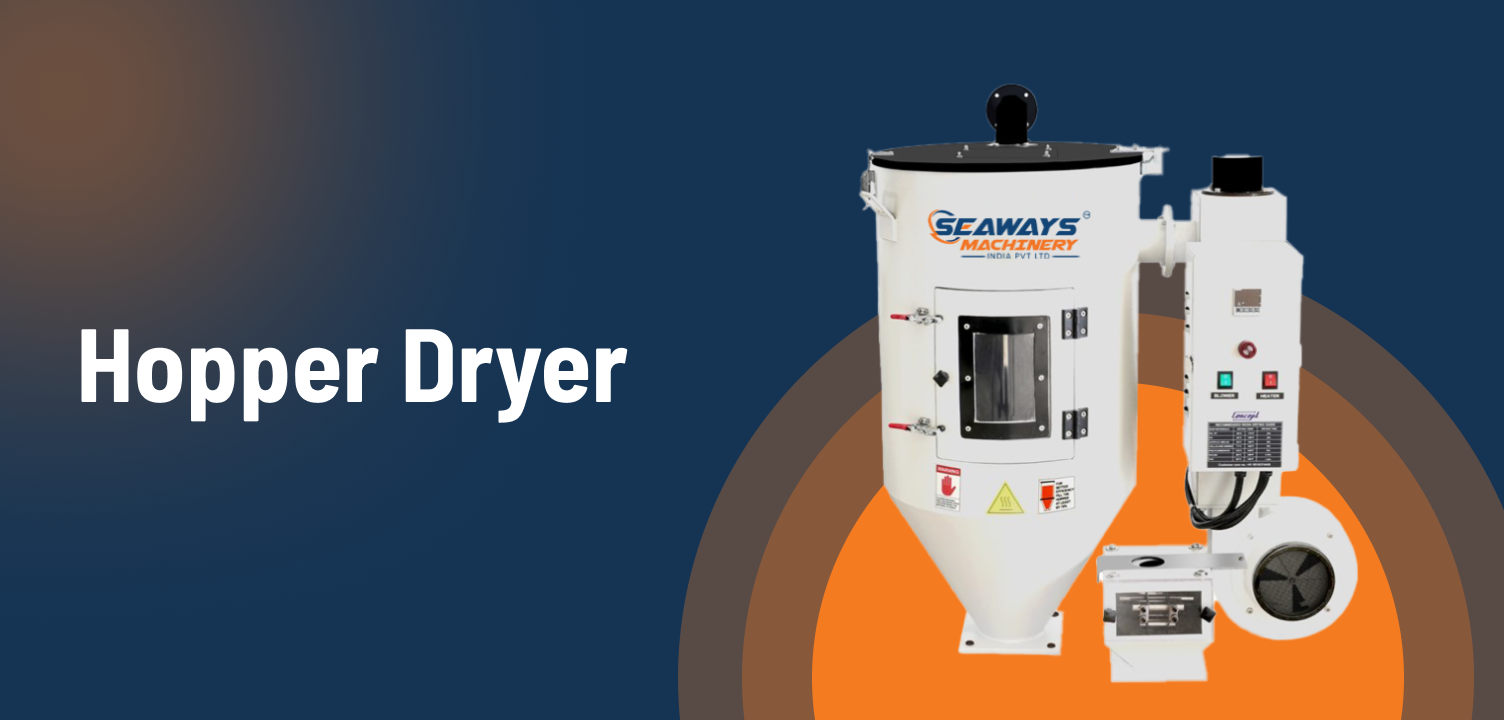
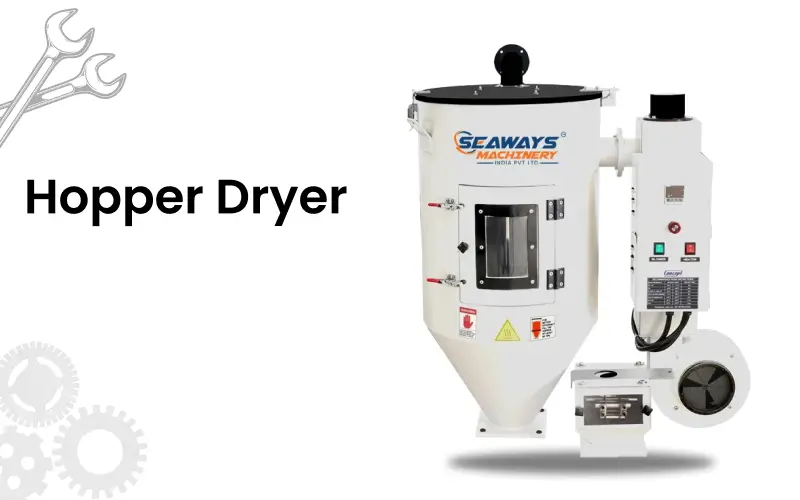
| Hopper Dryer | Reduces moisture in washed scrap before pelletising | ₹1-2.5 lakh |
| Agglomerator (for film recycling) | Converts low-density film into denser agglomerate for pelletising | ₹3-6 lakh |
| Pelletiser / Single-screw Extruder | Melts & extrudes into pellets through cooling water bath | ₹5-12 lakh |
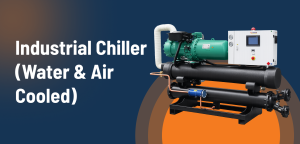
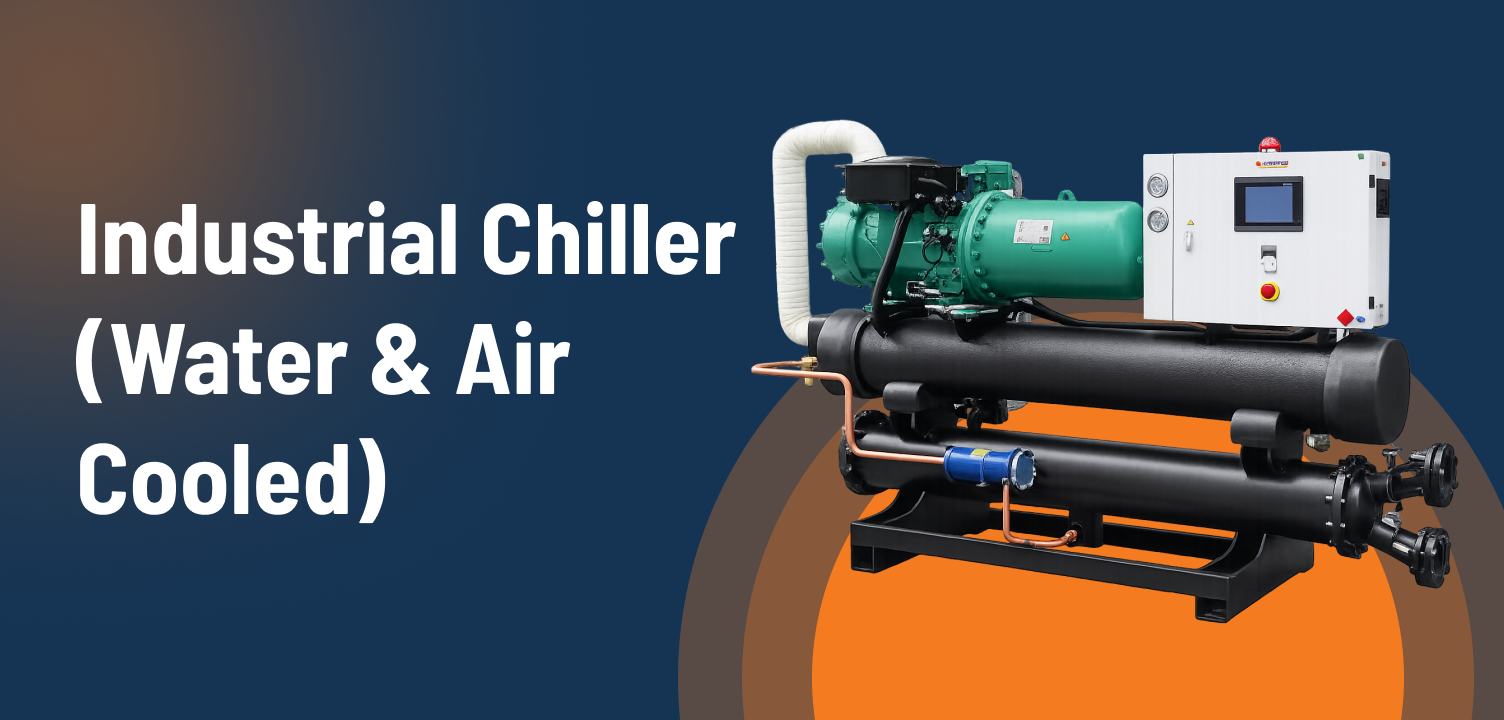
| Industrial Chiller | Cools pelletising water bath | ₹1.5-3 lakh |
| Conveyor / Material Handling | Moves material between stages | ₹1-2 lakh |
| Dust Collection | Removes airborne plastic dust (also a safety requirement) | ₹1-2 lakh |
| Weighing & Packaging | Bagging recycled granules in 25 kg sacks | ₹0.5-1 lakh |
Mid-size and large plants need higher-capacity versions of the same equipment plus additions like crystallisers (for PET), metal detectors, automated sorting, and more sophisticated washing systems.
Equipment Selection Tips
Don’t buy used equipment from unknown sellers. The “savings” disappear within months through breakdowns, missing parts, and incompatible specifications. Stick to reputable Indian manufacturers (Seaways, Reckon, Neoplast, Plastrack) or international brands if your budget allows.
Match capacity across the line. A 200 kg/hr grinder with a 50 kg/hr pelletiser is a bottleneck you’ll never use the grinder’s capacity. Plan the slowest step as your line throughput and size others to match.
Get factory-direct quotes. Buying from distributors typically adds 25-40% markup with no operational benefit. Indian recycling equipment manufacturers ship factory-direct across India with IGST documentation.
Step 5: Plant Layout
A well-designed layout reduces material handling, prevents contamination, and improves throughput. Typical small/mid-size plant layout:
Zone 1 Receiving and Sorting (front of plant): Incoming scrap arrives by truck. Manual sorting station separates plastic types, removes contamination (metal, paper, dirt). Bale opening if scrap arrives baled.
Zone 2 Grinding: Sorted scrap fed to grinder. Discharge to washing tank by conveyor or pneumatic system.
Zone 3 Washing: Float-sink tanks separate plastic from contaminants. For dirty scrap, friction washer + rinse tanks. Drying area for washed regrind.
Zone 4 Drying and Pelletising: Hopper dryer feeds clean dry regrind to extruder. Extruder produces pellets through water bath cooling. Cutter sizes pellets uniformly.
Zone 5 Packaging and Dispatch (back of plant): Pellets bagged in 25 kg sacks, stacked on pallets, dispatched.
Plant footprint: ~3000-5000 sqft for small plants; 8000-15000 sqft for mid-size; 25000+ sqft for large industrial plants. Add 30% for storage, parking, office.
Step 6: Detailed CAPEX Breakdown
For a small 100 kg/hr plant targeting PE/PP rigid recycling:
| Item | Cost (₹ Lakh) |
|---|---|
| Plastic Scrap Grinder (20 HP, 100-150 kg/hr) | 3.5 |
| Washing Tank + Float Tank (basic) | 2.5 |
| Hopper Dryer (150 kg, insulated) | 1.5 |
| Pelletiser (single-screw, 100 kg/hr) | 7.0 |
| Industrial Chiller (water-cooled) | 2.0 |
| Conveyors, dust collection, weighing | 2.0 |
| Electrical setup, cables, panel | 1.5 |
| Civil work (basic shed, foundation) | 5.0 |
| Vehicle (small tempo for collection) | 3.5 |
| Working capital (initial scrap inventory, 2-month payroll) | 6.0 |
| Total CAPEX | 34.5 lakh |
Numbers shift with plant capacity, regional construction costs, and specific equipment choices. PET plants need additional ₹15-25 lakh for proper hot-washing and decontamination.
Step 7: Operating Costs and Margins
Typical OPEX for a small 100 kg/hr plant running 20 hours/day:
- Raw material (scrap): ₹15-30/kg depending on plastic type and contamination
- Electricity: ₹3-5/kg of output (recycling is energy-intensive)
- Labour: ₹2-4/kg of output (4-6 workers)
- Water + utilities: ₹0.5-1/kg
- Maintenance + consumables: ₹1-2/kg
- Finance cost (if loan-funded): ₹2-4/kg
- Overheads (rent, admin, marketing): ₹1-2/kg
Total cost per kg: ₹25-50 depending on plastic type and operational efficiency.
Selling prices for recycled output (2026 ranges, varies significantly):
- rPET pellets: ₹70-100/kg
- Recycled PE/PP granules: ₹50-80/kg
- Mixed plastic granules: ₹35-55/kg
- PVC compound (recycled): ₹50-75/kg
Gross margins typically run 25-45% for well-operated plants on focused polymer streams. Margins are squeezed during virgin polymer price drops; widened during shortages.
Step 8: Licensing and Compliance
Plastic recycling in India requires multiple approvals. Plan 3-6 months for licensing if you’re a first-time operator:
- Pollution Control Board Consent State Pollution Control Board (SPCB) Consent to Establish (CTE) and Consent to Operate (CTO). Mandatory for any recycling operation.
- EPR Registration (Extended Producer Responsibility) CPCB registration as a Plastic Waste Processor under the Plastic Waste Management Rules 2022 (as amended). Required to legally receive plastic waste from producers.
- Factory License State factories department approval if you have 10+ workers with power.
- GST Registration Standard business GST registration.
- Fire Safety NOC Local fire department approval.
- Local Municipal Trade License Operating license from local municipal body.
- Electrical Inspectorate Approval For high-load installations.
Engage a local consultant familiar with your state’s processes. The paperwork is manageable but state-specific.
Step 9: Setting Up Raw Material Supply
The hardest part of running a recycling plant is consistent scrap supply at predictable prices. Three sourcing channels:
Industrial scrap: Direct contracts with plastic processors (injection molders, blow molders, packaging units) for their production scrap. Cleanest source, highest quality, but limited volume. Best for engineering plastic recyclers.
Trader networks: Established kabadiwala and aggregator networks. Variable quality, variable pricing, but high volume. Most small/mid-size recyclers rely on these.
EPR programs / institutional sources: Contracts with EPR-registered producers who need to fulfill recycling obligations. Premium pricing potential but requires established credibility and compliance.
Build at least two sourcing channels. Single-source dependence is the biggest cause of recycling business failure.
Step 10: Payback Timeline
For a well-run small plastic recycling plant in India, realistic payback timeline:
- Months 1-3: Setup and commissioning. No revenue.
- Months 4-8: Ramp-up. Revenue is 40-60% of target. Likely losses.
- Months 9-15: Steady-state operations. Break-even monthly cash flow achieved.
- Months 16-36: Profitability builds. Capex recovered through accumulated profits.
- Year 3+: Genuine profit phase. Expansion or capacity addition becomes viable.
Total payback of capex: typically 24-36 months for well-run operations. Plants struggling with raw material supply or output quality can take 4-5 years; some never recover capex.
Common Mistakes That Sink Recycling Plants
1. Buying mismatched equipment. Grinder capacity doesn’t match pelletiser capacity. Dryer is undersized for the throughput. Chiller can’t handle the heat load. Result: line bottlenecks, equipment damage, low output.
2. Underestimating power requirements. Recycling plants need significant continuous power. Inadequate transformer capacity or unreliable supply destroys profitability through downtime and partial operations.
3. No sorted scrap supply. Buying mixed unsorted scrap means output quality is mixed too and mixed plastic output sells for the lowest market price.
4. Skimping on washing. Contaminated regrind produces contaminated output. Buyers reject material. Get the washing right from day one.
5. No output customer locked in. Many plants start operations without firm buyers for output. They produce stock that sits unsold while working capital depletes.
6. Cheap equipment from unknown suppliers. Initial savings of ₹2-3 lakh become operational losses of ₹15-20 lakh over the first year through breakdowns and poor output quality.
Wrapping Up
Setting up a plastic recycling plant in India is a real business opportunity in 2026 driven by EPR mandates, growing consumer pressure on brands, and the underdeveloped infrastructure relative to plastic waste volumes. But it’s not a “set it and forget it” business. It requires careful planning, the right equipment, secure raw material supply, and operational discipline.
For Indian entrepreneurs considering this market, start with focused scope: one polymer type, well-defined capacity, locked output customers, properly-sized equipment. Build to that and the business works. Try to do everything for everyone, and it doesn’t.
At Seaways Machinery, we supply complete plastic recycling line equipment from our Rajkot facility grinders, hopper dryers, chillers, and the auxiliary equipment that makes the line work as a system. If you’re planning a recycling plant and want help sizing the complete equipment list for your specific capacity and material, send us your requirements and our team will respond with a detailed equipment proposal within 48 hours.