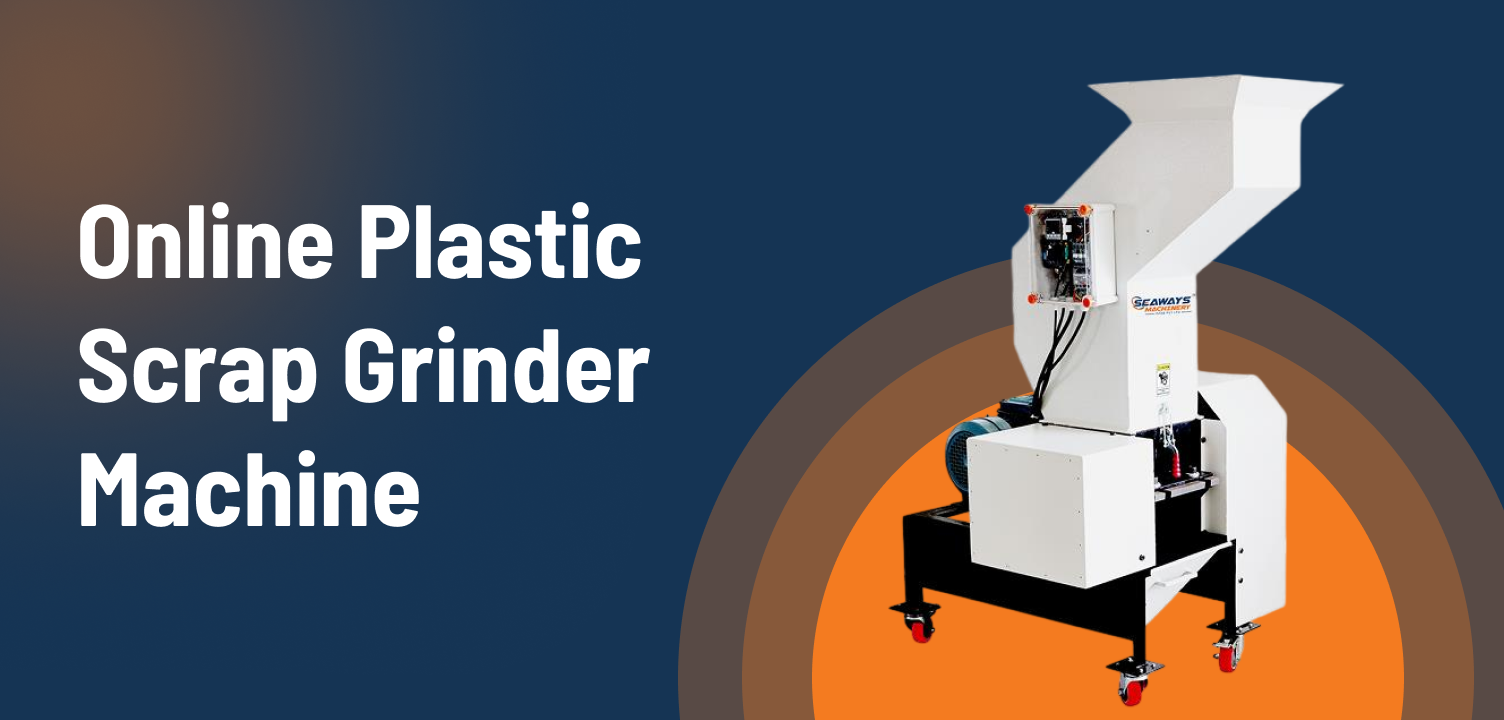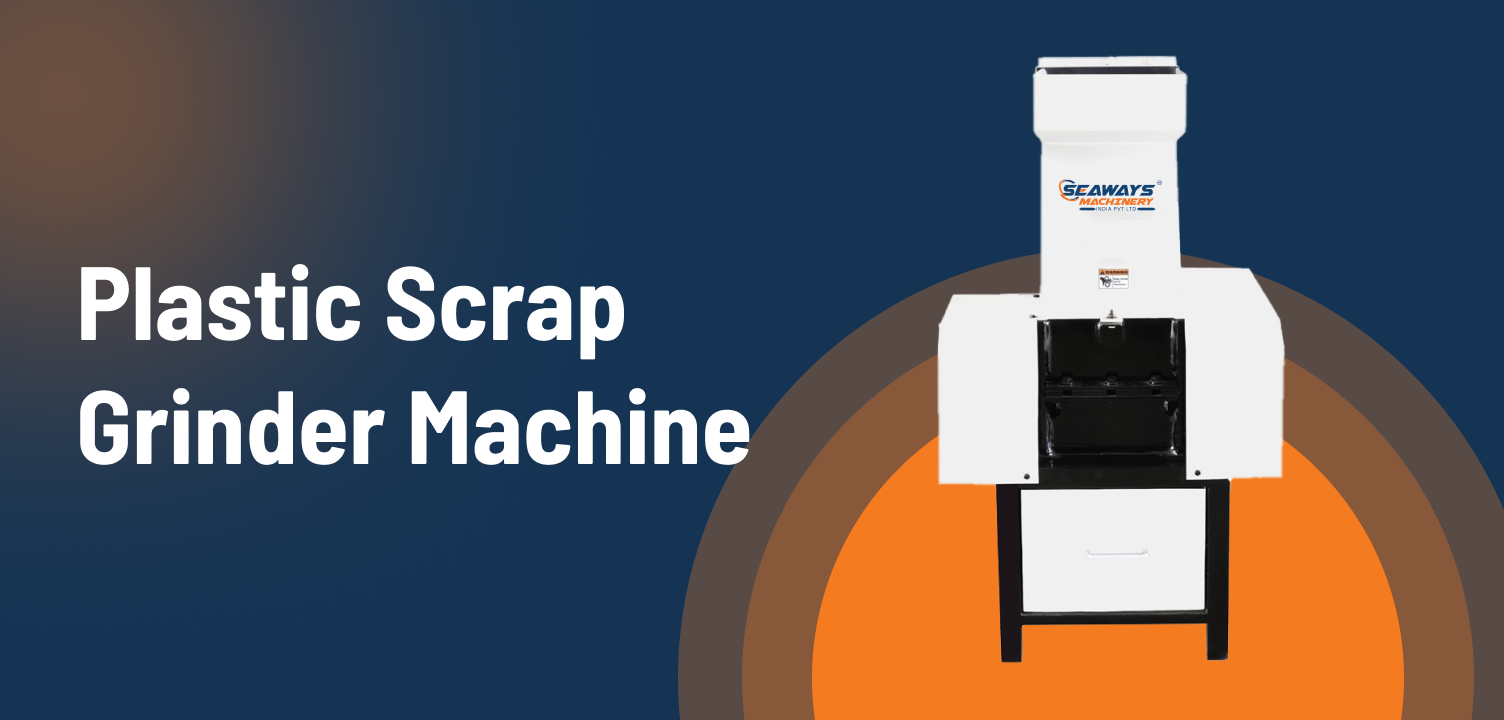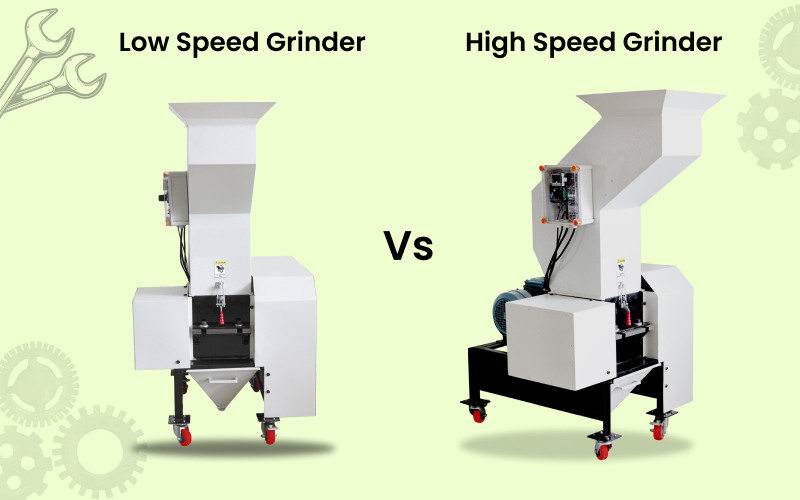
The Indian plastic recycling industry is growing fast. New units open every month across Vatva, Bhiwandi, Faridabad, Hyderabad and dozens of smaller industrial belts. Every one of them needs a plastic scrap grinder. And every one of them faces the same question: which grinder is actually worth the money?
This isn’t a sales pitch. Yes, we manufacture grinders ourselves at Seaways Machinery but the goal of this article is to help you evaluate any grinder, from any manufacturer, against the criteria that matter. If we lose a sale because you bought from someone else who matches these criteria better, we’re still happy that an Indian recycler got the right machine.
The Honest Reality
“Best grinder” is meaningless without context. The best 5 HP grinder for a small recycling shop in Surat is completely different from the best 100 HP grinder for a large continuous-operation plant in Bhiwandi. Match the grinder to your throughput, material type, shift hours and budget not the other way around.
What Actually Matters in a Plastic Grinder
Before we look at specific manufacturers, let’s establish the eight criteria that separate a genuinely good plastic grinder from a cheap import or a poorly-built local machine. Print this list and use it when comparing quotes.
1. Blade Material and Hardness
This is the single most important spec. Look for D2 tool steel or SKD-11, heat-treated to 58-62 HRC (Rockwell hardness). Lower hardness blades wear out 3-4x faster, costing you both downtime and replacement money. Ask manufacturers in writing what blade material they use and what hardness they certify to.
2. Cutting Chamber Wall Thickness
Industrial-grade grinders use 25-30 mm wall thickness on the cutting chamber. Thin walls (15-18 mm, common in budget machines) flex slightly with each impact, accelerating blade wear and creating vibration. The extra cost of thick walls pays back through 2x blade life.
3. Rotor Construction
Look for a dynamically balanced rotor with replaceable blade bolts (not welded blades). Welded-blade rotors save manufacturing cost but force you to replace the entire rotor when blades are worn versus just swapping blades.
4. Drive System
V-belt drive with multiple belts (3-4 belts on a 30 HP unit) is the industry standard. Direct-drive systems exist but are more expensive and harder to repair. Ask about belt brand (Fenner or similar should be the spec).
5. Motor Quality
Crompton, Kirloskar, ABB, Siemens, or comparable named-brand motors. Avoid grinders with no-name motors they fail in 18-24 months and replacement motors of the same frame size can be hard to find.
6. Screen Quick-Change
You’ll be changing screens regularly to produce different regrind sizes. Look for a screen design that can be swapped in 5-10 minutes by one operator with minimal tools. Some cheap grinders require lifting heavy components or undoing many bolts adds 30+ minutes per change.
7. Sound Enclosure
Plastic grinders without sound enclosures generate 95-105 dB. A proper acoustic enclosure brings this to 75-80 dB. Indian factories increasingly need this for compliance with the Factories Act and worker safety. It’s now essentially mandatory.
8. After-Sales Service Network
The most overlooked spec, and the one that causes the most regret. When your grinder breaks down on a Friday evening, can the manufacturer’s service engineer reach you within 24-48 hours? Are spares in stock or do you wait 2 weeks? Service network beats brand name.
The Indian Plastic Grinder Manufacturer Landscape
The Indian plastic grinder market broadly falls into four categories:
Established Indian Manufacturers (10+ years)
Companies like Seaways Machinery (Rajkot), Reckon Industries (Mumbai), Neoplast (Ahmedabad), Plastrack Engineering (Delhi NCR), and several others spread across Gujarat, Maharashtra and Tamil Nadu. They generally offer good build quality, established service networks, and standard 12-month warranties. Pricing is mid-range.
Newer Indian Manufacturers (3-7 years)
A growing number of smaller manufacturers, often family-run businesses serving regional markets. Quality varies enormously. Some are excellent value (lower overhead = lower price for similar quality); others cut corners on blade material or chamber thickness. Visit the factory, see machines being built, talk to existing customers before buying.
Imported Brands (Taiwan / China)
Brands like Yann Bang, Polystar, Genox enter India through local distributors. Build quality is often excellent. Pricing is higher than Indian equivalents but lower than European/Japanese imports. The downside: service network in India is typically thin.
European / Japanese Premium Imports
Wittmann (Austria), Herbold (Germany), Vecoplan (Germany), Tria (Italy). Outstanding quality, often double the price of Indian equivalents. Justified for very large operations, specialised applications, or processors who export plastic regrind to quality-sensitive buyers. Most Indian recyclers don’t need this tier.
Recommendations by Capacity Segment
Small Capacity: 5-10 HP (50-200 kg/hr)
Use case: small recycling shops, beside-the-press use in injection molding facilities. Look for hardened blades, robust gearbox or V-belt drive, and a manufacturer with service in your state. Budget: ₹1.2 – 2.5 lakh.
At this segment, sourcing locally (within 200 km of your unit) matters more than brand name. A regional manufacturer with same-day service will outperform a national brand with slow response times.
Mid Capacity: 15-30 HP (200-500 kg/hr)
The workhorse segment most Indian plastic recyclers run grinders here. Demand: D2 tool steel blades hardened to 58+ HRC, 25mm chamber walls, named-brand motor, V-belt drive, sound enclosure, quick-change screen. Budget: ₹3 – 7 lakh.
This is where Indian manufacturers shine quality is comparable to imports, prices are 30-40% lower, and service networks are strong. Get quotes from at least three, visit at least one factory before deciding.
Heavy Duty: 40-75 HP (500-1000+ kg/hr)
Continuous operation plants, washing line input, large dedicated recyclers. Demand everything from the mid-segment plus: hydraulic chamber opening, automatic feed conveyor option, integrated metal detector, dust extraction port, 24-hour service commitment. Budget: ₹8 – 15 lakh.
At this size, factory visits are essential. See the machine being assembled, talk to engineers, walk through their service infrastructure.
Industrial: 100+ HP (1000+ kg/hr)
Specialised application typically only the largest plastic recyclers, MRF plants, or specialised processors need this size. Imported premium brands dominate, with a few Indian manufacturers competing on price. Budget: ₹15 – 50 lakh.
Five Red Flags to Walk Away From
- Manufacturer won’t specify blade material in writing. If they’re using D2 steel, they’ll say so on the quotation. If they hedge with “imported steel” or “hardened steel” without specifics, assume the worst.
- Suspiciously low price (40-50% below market). Either they’re using cheap components or they’re a fly-by-night operation that won’t be around for service.
- No factory address listed, only a residential or office address. Many “manufacturers” are actually traders. Insist on visiting their actual factory.
- No service engineers in your region. A manufacturer based in Mumbai with no service presence in your state will be a nightmare when something breaks.
- Vague or short warranty. Industry standard is 12 months. Less than that signals low confidence in their own product.
A Note on Visiting Factories
The single best thing you can do before buying a grinder above ₹3 lakh is to visit the manufacturer’s factory. You’ll see whether they actually build machines or just assemble bought components, whether they have engineering capability, and most importantly whether they’re real, established businesses. A day-trip factory visit can save you years of pain.
Where Seaways Machinery Fits
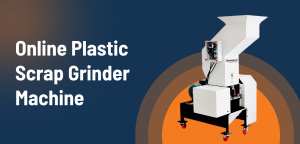
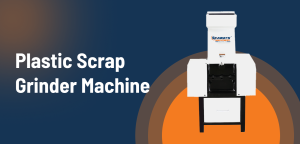
For full transparency: we manufacture plastic scrap grinders from 5 HP to 100 HP at our Rajkot, Gujarat facility. Our specs match what we’ve described as the standard for quality: D2 tool-steel blades at 58-62 HRC, 25mm chamber walls, Crompton/Kirloskar motors, V-belt drive, optional acoustic enclosure, quick-change screens. We’ve been manufacturing for over a decade.
Our market positioning: factory-direct pricing (no distributor markup), strong service network across Gujarat, Maharashtra, MP, Rajasthan, and growing presence in NCR and South India. We’re a good fit if you value: direct manufacturer relationship, factory visit access, and Gujarat-based local language support.
Our advice: get quotes from us and at least two competitors before deciding. Compare on the eight criteria above, not just price. Visit our Rajkot facility and at least one other manufacturer’s facility. Then decide based on total value (capex + opex + service + downtime risk over 10 years), not just sticker price.
Wrapping Up
The Indian plastic scrap grinder market in 2026 has more options than ever before. That’s good for buyers but also confusing. The framework that always works: define your capacity needs first, set quality minimums on the eight criteria above, get quotes from 3-4 manufacturers, visit factories, talk to existing customers, then decide.
The best grinder is the one that runs reliably for 10+ years, gets serviced quickly when needed, and produces consistent regrind quality. That’s almost never the cheapest option, but it’s also rarely the most expensive. It’s the one that matches your specific operating profile and is backed by a manufacturer who’ll be around when you need them.
If you’d like a detailed quote from Seaways Machinery including specs, technical drawings, and reference customers in your region get in touch. We’ll send a custom proposal within 24 working hours.